
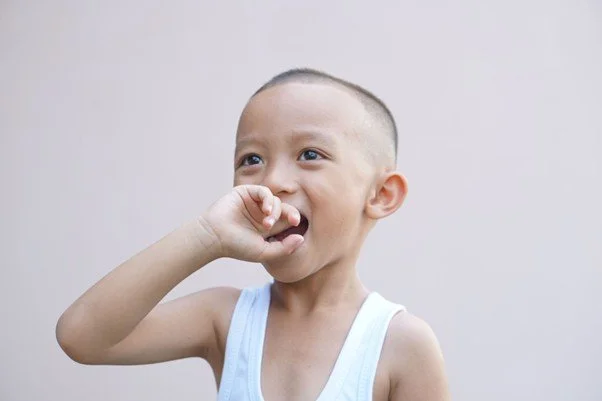
Few things stop a parent in their tracks at pick-up like being told their child was bitten, or did the biting. Both conversations are uncomfortable and both tend to arrive out of nowhere. What helps is knowing that biting is one of the most common behaviours in early childhood settings and that it rarely signals something deeply wrong. This article explores how parents and schools can understand and manage biting incidents in preschoolers.
Why Do Young Children Bite?
Biting peaks between one and three years old, when children are in group care but do not yet have the language or emotional regulation to manage what they feel. A toddler who is overwhelmed, excited, frustrated or simply teething has very few ways to express any of that. Biting, for them, is communication.
It can also be sensory. Some children bite because the physical sensation is regulating, in the same way some children spin or squeeze. Others bite because they want something and have learnt, usually accidentally, that it produces an immediate result. None of this makes it acceptable, but understanding the cause is what makes it possible to address, and that starts with the right questions.
What to Do If Your Child Was Bitten
Your first instinct will be to know exactly what happened and who did it. Schools in Singapore are generally required to document incidents and inform you of injuries, but they will not name the child responsible. This can feel frustrating, but it is a policy that protects all children, including yours, if the situation were ever reversed.
What the school should be able to tell you is what led up to the incident, how staff responded, and what measures are in place to prevent it from happening again. If those answers are vague, or the injury was significant and the school seems to be moving past it quickly, it is reasonable to ask for a follow-up conversation with the centre leader.
At home, keep your response calm and matter-of-fact. Your child takes cues from how you process difficult events, and a measured response helps them feel safe rather than alarmed. Tend to the physical injury, acknowledge that it hurt, and leave it there. Lengthy discussions about the other child, or visible anger on your part, add weight to an incident that your child will otherwise move on from quickly.
What to Do If Your Child Bit Someone
This is sometimes the harder call to receive, and it tends to come with a flush of embarrassment that can make it difficult to hear clearly. Try to stay in listening mode during that first conversation with the teacher. Ask what happened before the bite, what your child seemed to be responding to, and whether this has happened before. A single incident and a pattern require very different responses from you and the school.
At home, address it simply and without drawn-out drama. “We don’t bite. Biting hurts people.” is enough for a toddler. Lengthy explanations and emotional displays are difficult for young children to process and can sometimes reinforce the behaviour by giving it more attention than it needs. What works better is consistency, the same calm, firm response every time, from both you and the school.
If your child is biting regularly, work with the teachers to identify the triggers. Is it happening at a particular time of day, in a specific area of the classroom, or with certain children? Patterns point to causes, and causes point to solutions. Some children need more sensory input and do well with a designated chewy toy or textured object. Others need closer support during high-stimulus periods like outdoor play or transitions between activities.
What to Expect From the School
A good early childhood programme will treat biting as a behaviour to be understood and addressed, not simply punished. For the child who bit, this means looking at what they needed in that moment and teaching an alternative. For the child who was bitten, it means appropriate comfort and a genuine effort to prevent recurrence.
What schools should never do is shame the child who bit in front of others, exclude them without cause, or dismiss your concerns as the family whose child was hurt. If you feel the school is handling the situation poorly, raise it directly and specifically, and don’t wait too long to do so.
Should I Be Concerned?
Most children who bite do so within a narrow window of development and stop as their language and emotional regulation improve. That said, if biting continues past three and a half, happens with increasing frequency or intensity, or is accompanied by other behaviours that suggest your child is struggling, it is worth asking the school whether additional support might help.
Some children benefit from a referral to a speech therapist, who can help build the communication tools that reduce the need to bite, or an occupational therapist if the behaviour appears sensory in nature.
Raising this does not mean something is seriously wrong. It means you are paying close attention, which is exactly what this stage calls for.
A Note for Both Families
Whether your child was hurt or did the hurting, biting incidents have a way of making you feel more isolated than you need to. Both sides are navigating something uncomfortable. Both deserve a school that handles it with care and without assigning blame beyond what is useful. That quality of response, steady, informed and fair to everyone involved, is one of the clearer signs that a preschool knows what it is doing.
At Junior Champs, we handle incidents like these with transparency and care for every child involved. If you have questions about how we approach behaviour at this age, we’d love to have you visit us at any one of our branches, or get in touch with us.