
Separation Anxiety: 10 Ways to Make the First Days of School Easier for Your Child
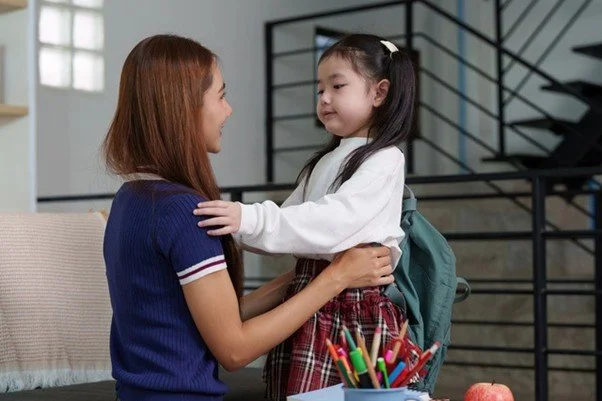
Separation anxiety represents one of the most common challenges families face when starting preschool. It affects approximately 4.1% of children at clinical levels, with many more experiencing milder forms during the school transition. For parents witnessing their child’s distress during drop-offs, these statistics offer little comfort. What does help, however, is understanding the nature of this response and having helpful strategies in hand to support your child through this important milestone. We present 10 of them below:
1. Begin Practice Separations Before School Starts
Think of separation as a skill your child needs to learn gradually, much like learning to swim. Research demonstrates that gradual exposure to brief separations helps children build confidence and adjust to being away from caregivers. Start weeks before the first school day with something small, like leaving your child with a trusted relative for 30 minutes while you run an errand. Studies indicate that such interventions may effectively reduce anxiety.
What matters most is making these practice sessions manageable rather than overwhelming. Through repeated experience, your child learns the most important lesson: you always return. Here in Singapore where many families have grandparents or domestic helpers who help shoulder caregiving, you already have trusted adults who can serve as ideal practice partners. Build on that existing relationship to create a foundation of trust necessary for successful school separations.
2. Establish Consistent Daily Routines
Two weeks before school begins, start living the schedule your child will keep during term time. Wake at the same hour, follow the same breakfast routine, and maintain consistent bedtimes. Creating routines for daily transitions proves helpful for children of all ages, particularly for those with anxiety.
Preschools and childcare centres typically operate on set schedules, with many offering sessions from 7am onwards. This means early mornings become your new reality, so do make room for the adjustment. Children find security in predictability. When morning routines become familiar eventually, anxiety has less space to flourish, and the repetition smooths out the transition to make it feel more automatic rather than frightening.
3. Visit the School Together
Walk through those preschool doors together before the official start date. Familiarising children with new environments by visiting schools, meeting teachers, and exploring classrooms and playgrounds reduces anxiety and makes the first day less intimidating. Most preschools and childcare centres in Singapore welcome pre-term tours. At Junior Champs, we warmly encourage these familiarisation visits.
Let your child touch the desks, peek through windows, absorb the space at their own pace. Walk the route from entrance to classroom together. Locate the toilets (this matters more than you might think), the playground, the snack area. And when that first day finally arrives, your child walks into a known place rather than an alien territory.
4. Create a Meaningful Goodbye Ritual
Here’s what many parents can attest to: goodbye rituals help to reduce distress and anxiety in children. The ritual itself matters less than its consistency. Perhaps it’s three kisses on the cheek, a secret handshake, or a particular phrase you say together. Some families even create a simple, tactile ritual, like a special hand squeeze or pressing thumbs together with a reassuring phrase.
Keep it brief, though the temptation to linger can be powerful. Note that extended goodbyes tend to amplify separation anxiety rather than ease it, so resist the urge to draw things out. Your demeanour during this moment communicates volumes to your child about whether this situation is truly dangerous or simply uncomfortable.
5. Never Slip Away Unnoticed
You might think sneaking out when your child is distracted will spare everyone the painful goodbye, but reality is quite the opposite. Parents who slip away unnoticed can inadvertently increase distress and anxiety when children realise their parents have left. However painful it feels to witness those tears, always say goodbye properly.
Early childhood professionals have seen that some children experience such intense separation anxiety that they cry until they vomit or throw themselves on the floor. Yet these behaviours typically improve when parents maintain consistent, honest goodbyes. Children need to learn that goodbyes lead to reunions. When you leave suddenly, you rob them of that important lesson while also breaking their trust.
6. Communicate Return Times in Child-Friendly Terms
It’s a small one, but instead of saying “I’ll be back at 3pm”, try “I’ll be back after nap time and before your afternoon snack.” Many young children don’t yet grasp abstract time concepts but understand the rhythm of their day perfectly well. This anchors your return to something concrete they can anticipate.
For older children who can tell time, be specific about pick-up times and consistently arrive when promised. Punctuality matters tremendously in reducing anxiety. Sometimes, late pick-ups can even trigger renewed separation fears in children who had previously adjusted well. This reliability builds the confidence that you will always return when you say you will. Over the long run, it nurtures emotional security that underpins healthy development far beyond the classroom.
7. Project Calm and Confident During Separations
Your child reads your emotional state with remarkable accuracy. Experts suggest parents stay calm, neutral and confident during separations, and there’s a good reason for this. If you appear anxious or guilty about leaving, they may interpret this as confirmation that something is indeed wrong.
Children pick up on their parents’ emotions like sponges. Take deep breaths, keep your voice steady, and project assurance. Your confidence becomes their confidence, though this doesn’t mean suppressing all emotion but rather modelling healthy emotional regulation. Think of it as you showing them how to handle difficult feelings, and not pretending difficult feelings don’t exist.
8. Build Relationships With Teachers and Staff
Before school begins, arrange to meet your child’s teacher and help forge that connection early. Successful transitions to school are based substantially on social skills and responsive relationships. When positive relationships exist between families and schools, all parties involved (children, parents and educators) experience positive feelings about the transition.
In Singapore’s preschool environment, where teacher-child ratios are regulated and educators receive specific training in early childhood development, these relationships form a crucial support network. Encourage your child to view their teacher as another caring adult in their life, someone who cares greatly about their wellbeing just as you do. Share relevant information about your child’s interests, fears and needs. This partnership creates a safety net that supports your child from multiple angles. It makes the separation feel less like being left alone and more like being held by a community.
9. Pack a Comfort Item From Home
Many children benefit from bringing a small comfort item from home, such as a favourite toy or a blanket, which provides a sense of security in a new environment. Chances are your child has one—70% of children form a strong attachment to a specific comfort item during childhood.
Educators understand the value of these comfort objects and security items, and especially their importance during the initial adjustment period. These objects also often become a welcome presence during naps to offer reassurance when children need it most. A transitional object serves as a physical reminder of your connection even when you’re apart, something tangible they can hold when feelings become overwhelming.
10. Acknowledge Feelings Without Reinforcing Fears
When your child expresses anxiety, always first validate their feelings while maintaining realistic perspectives. Caregivers can help children label and accept their fears of separation. Say “I understand you feel worried about me leaving” rather than “There’s nothing to worry about.”
The difference is subtle but significant. The first approach acknowledges their emotional reality; the second dismisses it entirely. Once feelings are validated, you can gently offer reassurance based on facts and past experiences. Point out previous successful separations: “Remember when you stayed with Ah Ma last week and had such fun together?” This helps them build on their own history of resilience rather than just accepting your word that everything will be fine.
Recognise When Professional Support Is Needed
Most children adjust within four to six weeks, but some need more support. According to a study, approximately 75% of children with separation anxiety exhibit some form of school refusal behaviour. Gradual exposure, consistent routines and supportive guidance can help most children overcome these challenges and feel confident at school.
Seek professional guidance if your child’s anxiety persists beyond the initial adjustment period, intensifies rather than improves, or significantly disrupts daily functioning. You can also talk with your child’s teachers to create a supportive plan, just like we do here at Junior Champs. Early intervention and open communication help prevent anxiety from becoming entrenched and allow your child to build confidence and a positive relationship with school.
Moving Forward With Understanding
Your child is learning to do things on their own while still having the safety of your support. Some mornings will be smooth, others tough. Through it all, you are helping your child manage big emotions and discover their own strength.
At Junior Champs, we understand that every child adjusts differently. Our experienced, caring teachers work with families individually to ease separation through small steps, consistent routines, and supportive relationships. We’re here to guide and support you and your child through this big transition carefully—let’s help your child flourish together at Junior Champs. Get in touch!