
How to Strengthen Your Bond With Your Child Through Parent-Teacher Partnership
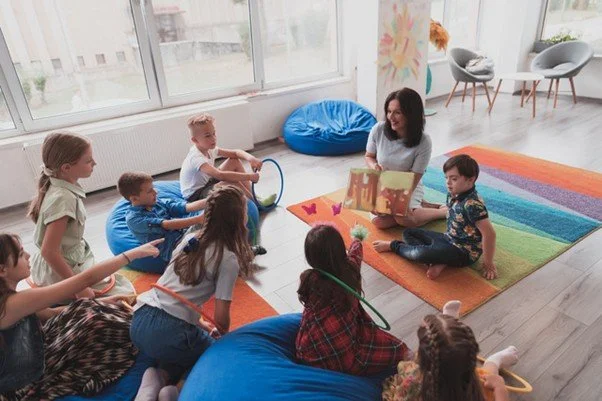
When young children start preschool, something small but significant changes. You might notice they are no longer spending all their waking hours under one roof or guided by one set of hands. Their world expands, and with it, the number of adults shaping their daily experience.
For many parents, this raises a question: Will I still feel as close to my child once school becomes part of their life? The answer depends less on time apart and more on how connected the adults around the child remain.
A strong parent-teacher partnership does more than support learning. It protects the relationship between parent and child by creating consistency, trust and emotional safety across settings. Let us explain how.
Children Notice More Than We Think
Young children are remarkably observant. They may not follow adult conversations in detail, but they sense whether the adults in their lives are aligned.
When parents and teachers communicate well, children feel held by that connection. School stops feeling like a separate world and becomes part of a wider, familiar structure. This makes it easier for children to settle, especially during transitions.
When that connection is missing, children often show it in small ways. Increased clinginess. Sudden resistance at drop-off. Behaviour changes that feel out of character and hard to explain. These responses are not signs of failure, but important signals that a child is seeking reassurance.
Partnership helps meet that need without placing the burden entirely on the child.
Preschool Does Not Replace the Parents’ Role
There is a common fear that once a child starts preschool, parents become less central to their emotional life. In reality, the opposite often happens.
Children still rely on parents as their primary source of safety. What changes is that teachers now support safety during the day. When parents stay informed and involved, children experience care as continuous rather than divided.
This does not require constant updates or lengthy discussions. Instead, many times, it’s the small exchanges that get brought up. Letting a teacher know about a disrupted night, mentioning a new interest that has taken hold at home, and asking how a child coped after a difficult morning all contribute towards coordinated care.
These moments help teachers respond in ways that feel familiar to the child, which in turn helps parents feel connected rather than distant.
Consistency Carries Emotional Weight
Children respond best when expectations feel steady. When adults react in similar ways, children do not need to guess which version of themselves will be accepted.
If a child is learning to manage frustration, they progress faster when both home and school encourage calm expression. If routines are predictable, children feel less anxious moving between environments.
This shared approach also helps parents, mainly by removing doubt about how to respond at home. Confidence emerges through consistency, and children pick up on it quickly and often relax as a result.
This consistency does not mean rigid rules. Rather, it is shared values and clear communication that allow children to feel secure.
Staying Connected Through Real Information
Parents often fill gaps with worry when information is missing. A quiet child at pick-up can trigger concern. Likewise, a brief mention of a tough moment can linger all evening.
Regular, honest communication helps replace assumptions with clarity.
When parents know how their child spends the day, conversations at home feel more grounded. Instead of broad questions, parents can refer to specific moments. This helps children to respond more openly as they feel genuinely understood.
Teachers benefit just as much from insight into life at home. Changes in sleep, appetite or routine often explain shifts in behaviour. Most teachers are sensitive to behavioural changes, so they often notice patterns, but might not know of the specific reasons behind them. And when parents share these details, both responses and reactions at school become more thoughtful and personal.
Alignment Builds Emotional Safety
Children draw confidence from the way adults speak about one another. When parents talk positively about teachers, children feel reassured.
This does not mean dismissing concerns. It means addressing them respectfully and privately, rather than allowing tension to surface in front of the child.
When adults communicate calmly, children learn that school is a safe place supported by trusted adult figures. This makes separation easier and reunions calmer.
Parents remain their child’s emotional anchor. Partnership strengthens that role by extending trust beyond the home.
Seeing the Whole Child, Not Just a Moment
A child who appears settled at school may release emotion later in the day. In the same vein, another may hold back at home but thrive in a group setting. These differences are normal.
Sharing observations helps adults respond with patience rather than confusion. Teachers gain insight into behaviour that may not appear in class, and parents gain context for reactions that show up after school. It is mutually beneficial, both parties receiving information that gives a fuller picture of the child.
This shared understanding reduces pressure on the child to explain themselves. It also helps parents respond with empathy instead of concern.
Partnership Grows Through Everyday Interactions
Strong partnerships are built over time, not through formal meetings alone.
Moments of partnership can be built casually. They exist in short conversations at pick-up, a message acknowledging progress, or even a calm response to feedback. These small actions build trust quietly.
Parents who ask thoughtful questions signal care. Teachers who listen closely reinforce confidence. Children benefit from this steady cooperation because it creates a sense of shared responsibility around their well-being.
At Junior Champs, open communication between families and educators is strongly encouraged and practised. This shared approach helps children feel supported from their earliest days at school.
Parental Confidence Shapes the Home Environment
Early childhood often brings uncertainty and questions for parents, who are experiencing many of these developmental stages for the first time. Teachers, in contrast, have guided countless children and families through similar transitions. By sharing their experience, teachers help parents anticipate challenges, interpret behaviours and feel more sure in their responses.
When parents feel supported, they respond with greater calm at home. That calm in turn influences how children process emotion and change, like a domino effect.
Children notice when adults feel steady. It helps them feel secure, even during periods of adjustment. Just as parental anxiety can influence a child’s confidence, parental calm and reassurance can strengthen a child’s sense of security and resilience.
Independence Grows Best With Connection Intact
Preschool supports growing independence, but emotional connection remains essential.
When parents understand what their child is learning, they can celebrate progress at home. When teachers understand family values, they can support development with care.
Children feel proud when parents notice their growth. The key is acknowledging when their efforts and achievements, big or small, are recognised. They feel secure knowing their parents remain involved. On the other hand, at school when teachers demonstrate the values that the children have learnt to resonate with, they feel supported and even more understood.
This balance supports healthy emotional development without weakening family bonds.
Facing Challenges Together
Every child experiences moments of difficulty. Behaviour changes, emotional shifts, and there will be periods of adjustment.
Partnership helps parents face these moments with support rather than isolation. Teachers can share perspectives, parents can offer context. Together, responses become more balanced and reassuring.
Children learn that challenges are handled with care, not conflict. Parents feel less alone during demanding stages.
A Shared Foundation That Lasts
The preschool years influence how children experience relationships beyond early childhood. They also shape how parents adapt as their child’s world grows.
A strong parent-teacher partnership supports both. It creates a foundation of trust that allows children to feel safe and parents to stay closely connected.
At Junior Champs, collaboration between families and educators is part of everyday practice. Teachers work alongside parents to support each child’s emotional and developmental needs.
That shared care strengthens learning, confidence and connection—even after the preschool years have passed. Begin fostering that collaboration with us today.